
Through Their Eyes

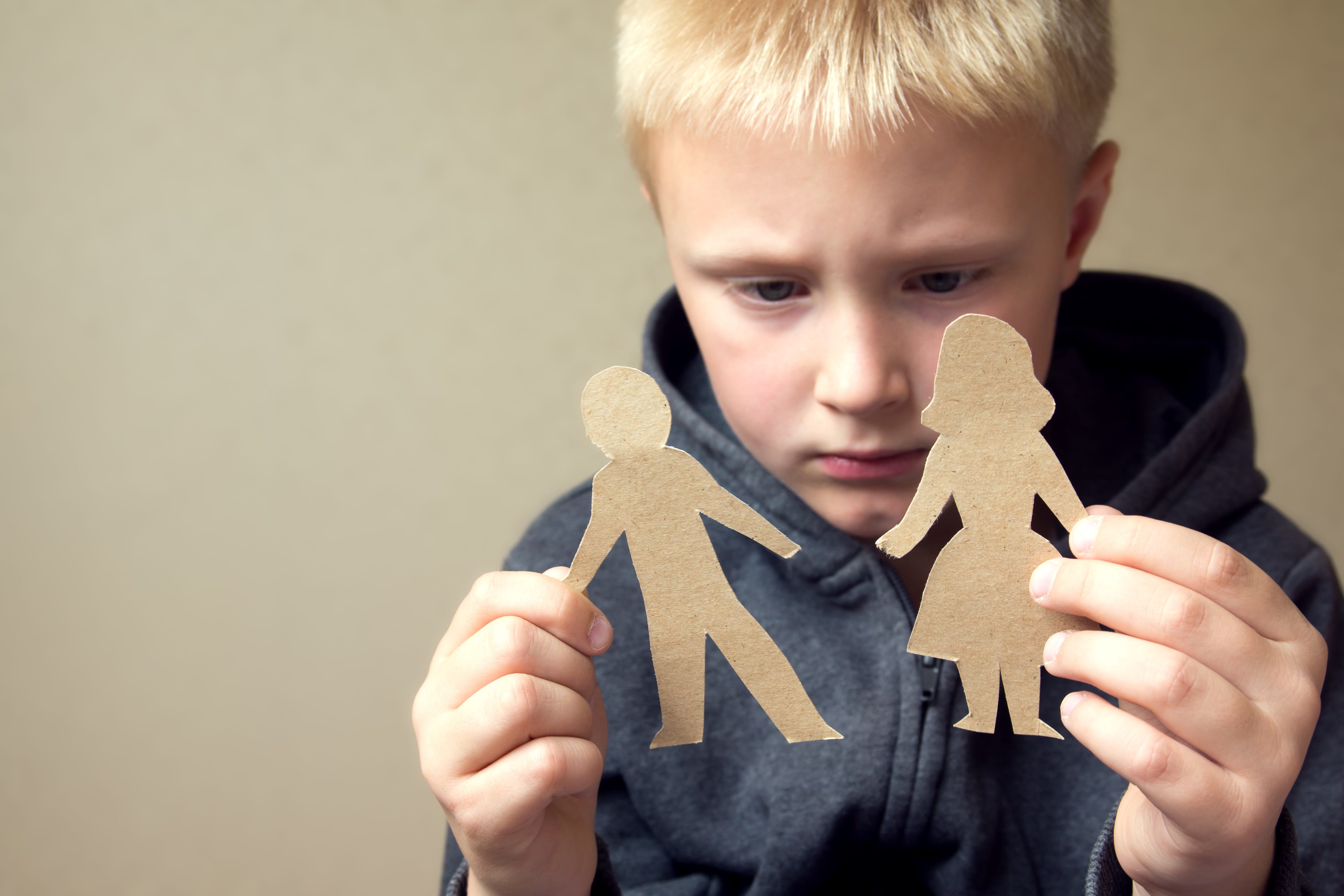
Today, I’d like to shift the focus of this Reflection a bit. Often, I write about what alienated parents feel—what they go through—but this time I want you to see through the lens of a child and understand what they might be carrying. However, before we go further, remember that our children aren’t like adults—their judgment and sense of self are still in the early stages of development, which makes them especially vulnerable to pressure, suggestion, and competing demands on their loyalty
In the earliest stages of alienation, everything may appear small and ordinary to our children. It may be as simple as a comment here, or a vague warning there. Perhaps it starts out as a story retold with just enough of an edge that causes a child to pause. Certainly nothing too outlandish—just enough of a slow drip that begins to color in how they see the parent they once used to run toward. Not surprisingly, when these things happen, confusion often shows up first. Who am I supposed to believe? What’s going to happen if I say the wrong thing? This is when the lightbulb goes on, and they learn to read every room before they take that first step inside.
All too often, it becomes a test of loyalty that they never asked to take. To keep the peace, they usually say whatever keeps the more reactive parent calm. They learn which topics are taboo and which words will earn them a smile. They mimic adult phrases they don’t fully understand. And they take on jobs that no child should ever have to, such as comforting a grown-up, managing the household mood, and keeping the family story “straight.” For them, it’s not misbehavior; it’s survival.
Under the surface, a steady pressure gathers—anxiety and guilt for wanting both parents in their lives. Then there’s the knot in their stomach before school even starts. Their focus slips because their mind is too busy choosing the “safe” answer. Even their sense of joy grows cautious, knowing that having fun with one parent might be used against them by the other. That’s a heavy load for any kid to carry.
Then come the questions that no child should ever have to ask themselves: What if I love Mom—am I hurting Dad? If I hug Dad, will that make Mom mad at me? Or what if I’m told one thing in one house and another in the other—does that mean I’m the problem?
Keep in mind that when a child is pushed to the point where they doubt their own memories, and their trust frays on the edges—first in others, then in themselves—they begin to look outside the home for validation of what they feel.
What they lose in this process isn’t only time with a parent. Rather, it’s a culmination of losses that range from grandparents and cousins to holiday get-togethers, silly routines, and yes, even the ease of belonging in two distinct homes. Most of all, there’s the dull ache of having a parent who is alive and reachable, yet somehow out of reach. There are no clean goodbyes and no clear ways back, so the grief has nowhere to go. It just sits there.
But I know that kids are resilient, and this word gets thrown around far too easily. Resilience doesn’t mean they’re always fine; what it means is, they’re adapting under the pressures that we, as parents, should be lifting ourselves. Some may act strong and independent. Some will get real quiet. Some become angry, and others will overachieve, so no one dares to ask the hard questions. From the outside, it can look like they’re just working hard to hold the pieces together.
So, if you’re an alienated parent who’s reading this, you already know the sting of being erased. But from a child’s viewpoint, erasing someone is risky in a different way. For them, loving both parents out loud can feel dangerous. So they protect themselves the only way they know how, and that’s by shrinking one part of their heart in the effort to keep another part safe. This isn’t a choice; instead, it’s a cost.
What helps here is simple: adults must stop making a child choose. No messages should ever be sent through the child. No cross-examining after each visit. Predictable routines and calm welcomes are necessary. Listen without steering them toward the answer you want to hear. Let them set their own pace. Reminding them gently—over and over again—that it’s okay to love both parents and that nothing of what’s happening is their fault. If and when professionals do get involved, what helps most is ensuring that the kids are heard—regardless of perceived loyalties.
For those of you who are on the outside of all this, please understand something: the child is not—I repeat, is not—“alienating” anyone. Rather, they’re adapting to the strongest pressure in the room. What they need most is less pressure, and not more proof. They also need space to breathe, the opportunity to love both parents without a test, and the chance to be heard without having to choose sides.
And to the children who are going through this mess right now, there’s something I want you to know: You were never meant to carry this load. You should never have to fight for the right to love both of your parents. Your memories with each of them are the only things that matter. Your feelings are allowed. You’re also allowed to miss me, to love me, and still laugh in the other house. You’re allowed to just be a kid.
I can’t promise to fix every wall that was built around us. But what I can promise you is this: I will stay steady in your life. I will never make you choose who to love and who not to. I’ll always be honest with you, but I won’t ask you to hold it or take sides. And I will always be here—waiting quietly—so when the time arrives and you do finally decide to reach out for me, you’ll find a hand that hasn’t moved.
In the end, this isn’t a debate to win or lose; it’s a childhood we’re meant to safeguard. Let’s always put the child back at the center of things so they can just be kids.
David Shubert
Thank you for subscribing to this newsletter and for taking the time to read my reflections. This space is for all of us to heal, to share, and to come together. Remember, we’re not alone in this. So, let’s keep moving forward, one step at a time.
#ParentalAlienation #iWasErased #SurvivorStories #HopefulFather #EmotionalHealing